Key Takeaways
- Lofts tend to be found in converted industrial or commercial buildings with open, spacious layouts, often featuring high ceilings and large windows.
- Condominiums are usually constructed as purpose-built residential complexes, offering a variety of floor plans and amenities within a more structured environment.
- Ownership structures differ: Lofts may be purchased as part of adaptive reuse projects, while condos are typically part of planned communities with shared facilities and regulations.
- Lofts are often associated with urban cultural scenes and artistic communities, whereas condos appeal to those seeking convenience and community living options.
- Maintenance responsibilities vary: Loft owners may have more individual control over their units, while condo residents often pay monthly fees for shared upkeep and amenities.
What is Loft?
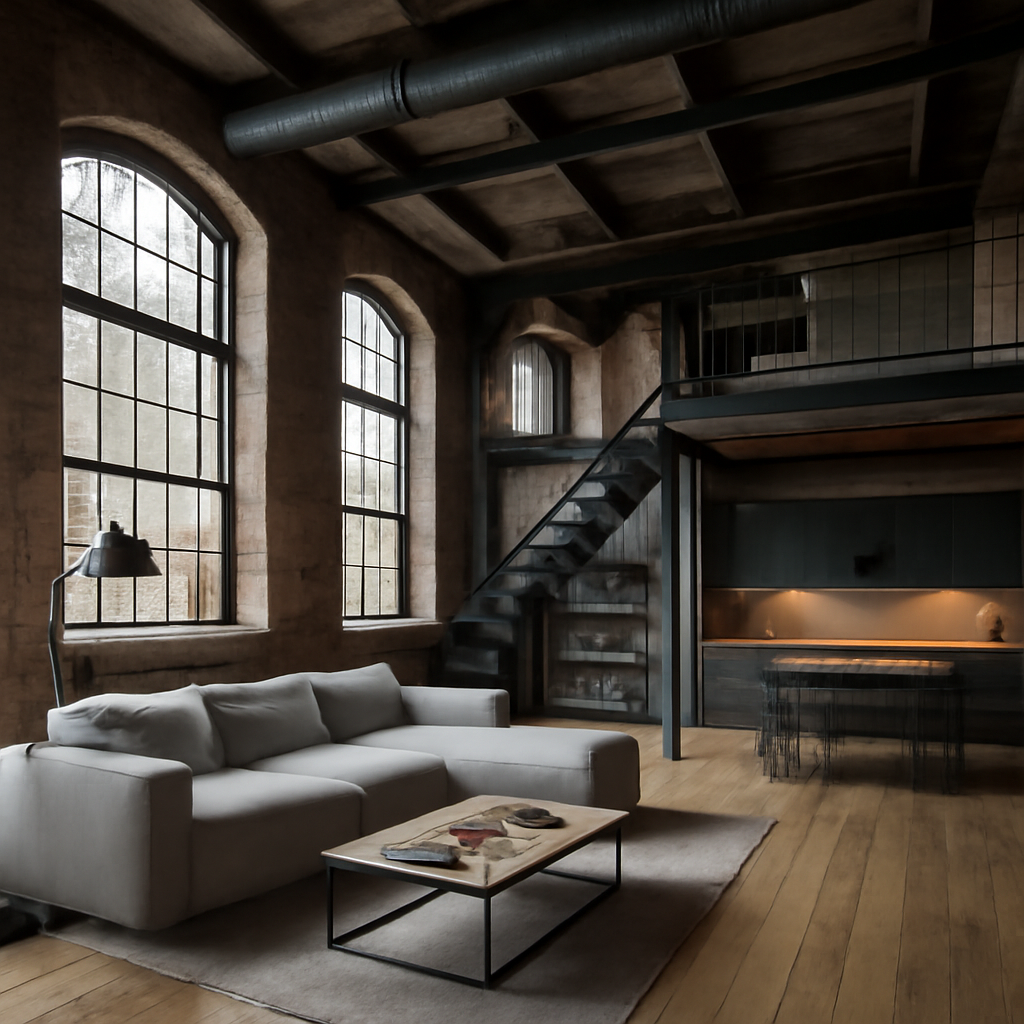
A loft is a type of living space that originated from repurposed industrial buildings, such as warehouses or factories, which were transformed into residential units. These spaces are characterized by their large, open floor plans, high ceilings, and expansive windows that flood the interiors with natural light.
Industrial Heritage and Architectural Features
Lofts often retain elements of their industrial past, including exposed brick walls, steel beams, and concrete floors, which give them a distinctive aesthetic. This raw, unfinished look appeals to those seeking a unique, artistic environment that breaks from traditional home designs. The high ceilings not only enhance the spacious feel but also allow for creative interior design options like mezzanines or lofted beds, maximizing the use of vertical space. Large windows, often original to the buildings, provide ample sunlight and a connection to the urban surroundings, making lofts popular in city centers. The open layout encourages flexible use of space, allowing residents to customize their environment to their tastes, whether for work, entertainment, or relaxation. Many lofts is located in neighborhoods with a rich cultural history, attracting artists and creatives who value the historic charm combined with modern living. The conversion process of these buildings often preserves structural features, which adds to the authenticity and character of the living space. As a result, lofts tend to appeal to those who prioritize aesthetic uniqueness and a sense of history in their homes. Despite their industrial origins, many lofts now include modern amenities and updates to meet contemporary standards, blending old-world charm with new-world convenience.
Urban Cultural and Artistic Community
Lofts are often situated in neighborhoods that have historically been hubs for artists, musicians, and creatives, fostering a vibrant cultural scene. The spacious interiors with high ceilings are perfect for art studios, galleries, or music spaces, making them attractive for artistic residents. These areas tend to attract a diverse demographic who appreciate the unconventional lifestyle and the sense of community that develops around shared interests. The accessibility of lofts to arts districts and cultural venues enhances their appeal for those seeking an active, socially-engaged environment. Many loft communities host art exhibitions, open studios, and live performances, further embedding them within the local creative economy. The open-plan design encourages social interaction among neighbors, often leading to a tight-knit community feel. Additionally, lofts often attract entrepreneurs and freelancers who benefit from their flexible space arrangements for working from home or hosting gatherings. The cultural identity of loft neighborhoods contributes to a sense of authenticity and uniqueness that distinguishes them from more conventional residential options. This cultural vibrancy can sometimes influence local businesses, cafes, and galleries, creating a lively, artistic atmosphere that residents cherish. Overall, lofts serve as more than just homes—they are part of a larger cultural ecosystem that promotes creativity and self-expression,
Adaptive Reuse and Historic Preservation
The conversion of old industrial buildings into loft apartments is a form of adaptive reuse, which helps preserve historic architecture while giving it a new purpose. This process often involves restoring original structural elements like beams and brickwork, maintaining the building’s historic essence. Adaptive reuse projects tend to be environmentally friendly since they reuse existing structures rather than demolishing and constructing anew, reducing construction waste and resource consumption. These conversions often require collaboration with preservation authorities to ensure that architectural integrity is maintained, which can add a layer of complexity to development projects. The result is a residence that embodies a sense of history and craftsmanship, with modern upgrades discreetly integrated. Many lofts are located in buildings that are protected as historic landmarks, giving residents a sense of connection to the past. The unique character of these spaces often commands a premium price, reflecting their historic and aesthetic qualities. The preservation of industrial features adds authenticity and charm that cannot be replicated in new construction, Residents and developers alike find value in maintaining the historic fabric of neighborhoods, fostering a sense of continuity amid urban change. Adaptive reuse of industrial spaces for loft apartments exemplifies innovative urban planning that balances modern living with respect for architectural heritage.
Modern Amenities and Customization Options
Although lofts retain many industrial features, they have been updated with contemporary amenities to meet modern comfort standards. Many include central heating and cooling systems, high-speed internet, and integrated smart home technology, making them functional for everyday life. Open layouts allow for flexible interior design, enabling residents to customize their spaces according to their preferences, whether for work, leisure, or hosting guests. Kitchen and bathroom upgrades are common, often featuring sleek appliances and fixtures that blend industrial aesthetics with modern convenience. The large, open spaces also facilitate the installation of entertainment systems, home gyms, or creative studios without structural constraints. Some lofts incorporate outdoor balconies or terraces, further enhancing the living experience and adding outdoor space in dense urban environments. The integration of modern lighting, energy-efficient appliances, and eco-friendly features reflects a balance between preserving historic charm and providing contemporary comfort. Residents often have the opportunity to personalize their units during renovation, which means no two lofts are exactly alike. This degree of customization enhances the appeal for those seeking a unique, adaptable living environment that reflects their individual style, Developers are increasingly focusing on blending heritage features with cutting-edge technology to attract a diverse clientele.
Accessibility and Location Advantages
Lofts are predominantly located in city centers or redeveloped industrial districts, offering proximity to employment hubs, cultural venues, and transportation networks. This central positioning makes them ideal for individuals who value walkability and easy access to urban amenities such as restaurants, theaters, and public transit. Their location often means residents can enjoy a vibrant nightlife and diverse entertainment options without long commutes. The proximity to historic districts also provides a sense of connection to the city’s evolving identity, blending the old with the new. Many loft buildings is situated near parks, riverfronts, or waterfronts, providing recreational opportunities close to home. Due to their urban locations, lofts generally command higher prices, reflecting their desirability and convenience. Accessibility features are increasingly incorporated into renovated buildings to cater to a broader range of residents, including those with mobility challenges. The strategic placement of lofts in revitalized neighborhoods can also stimulate local economic growth and urban renewal efforts. Overall, location remains one of the most significant advantages of loft living, offering convenience and a dynamic city lifestyle.
What is Condo?
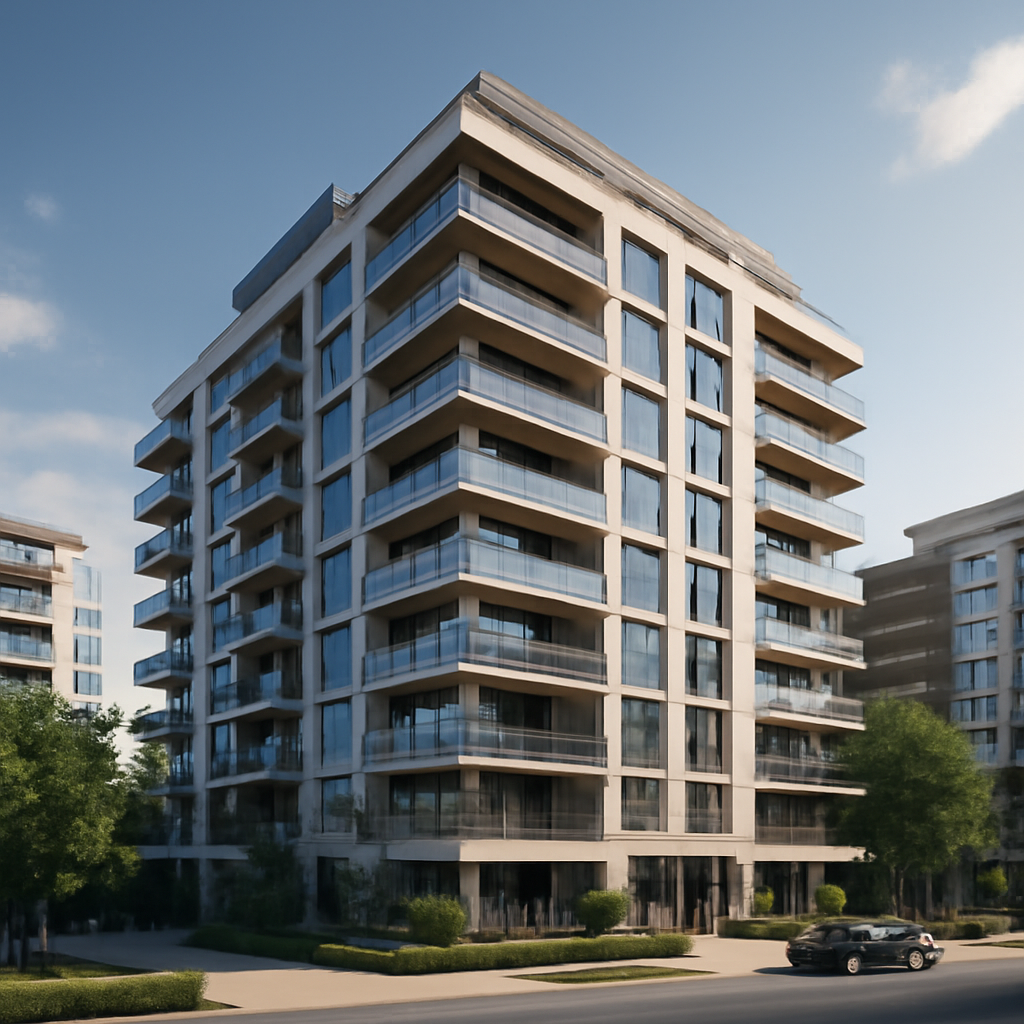
A condo, short for condominium, is a form of housing where individual units are owned separately within a larger complex or building. These units are part of a planned community, often with shared amenities, common areas, and regulations managed by a homeowners’ association. Condos are typically purpose-built structures designed for residential living, with a focus on efficiency, privacy, and community features.
Construction and Design Features
Condo buildings are constructed with a focus on maximizing space efficiency, often featuring multiple floors with standardized layouts. They tend to have modern architectural designs, with materials chosen for durability and ease of maintenance. Interior layouts are usually more compartmentalized compared to lofts, with defined rooms for living, sleeping, and dining. Many condos include balconies, terraces, or shared outdoor spaces that enhance residents’ outdoor access. The exterior of condo buildings often incorporates contemporary styling with uniform facades, which can vary from glass towers to mid-rise complexes. Building amenities like gyms, swimming pools, and communal lounges are integrated into the design to promote community engagement. Security features such as controlled access, surveillance cameras, and doormen are standard in many condo complexes. The construction process adheres to zoning and building codes that ensure safety and compliance, making condos a predictable and regulated housing option. Developers often include parking, storage units, and other conveniences to enhance the residential experience. The design prioritizes functionality, comfort, and ease of living for diverse demographics, from singles to families.
Community and Lifestyle Aspects
Condo communities often foster a sense of neighborhood through shared spaces and organized events, encouraging interaction among residents. Many complexes offer social clubs, fitness classes, or community gardens, creating opportunities for connection. The proximity of units and shared amenities promote a lifestyle centered around convenience and social activity. Residents benefit from on-site maintenance and management, reducing individual responsibilities for repairs and upkeep. Security measures provide peace of mind, especially for those living alone or in high-rise buildings. The structured environment often attracts busy professionals, retirees, and small families seeking low-maintenance living with access to urban conveniences. The presence of shared amenities can also lower individual costs for recreation, as pools, gyms, and lounges are maintained collectively. Rules and regulations are enforced by the homeowners’ association to ensure the community’s harmony and safety. This collective management often means residents have less control over individual modifications but benefit from consistent standards and services. Overall, condos offer a lifestyle that emphasizes convenience, security, and community engagement, suited for those who prefer a more managed living environment.
Ownership and Maintenance Responsibilities
Ownership of a condo unit grants individual control over the interior space, while exterior and communal areas are managed collectively. Owners pay monthly fees to the homeowners’ association, which covers maintenance, repairs, and amenities upkeep, providing predictability in living costs. These fees can vary based on the size of the unit and the amenities available, influencing overall affordability. The association enforces rules related to renovations, noise levels, and use of shared facilities, ensuring a harmonious environment. Maintenance responsibilities include cleaning common areas, landscaping, security, and infrastructure repairs, which are handled by professional staff or contractors. Residents are responsible for the upkeep of their own units, including interior repairs and upgrades, following community guidelines. This division of responsibilities offers convenience but also requires adherence to strict regulations to prevent disputes. Many condo developments offer optional services like housekeeping, laundry, or package delivery, adding to the convenience. The collective management system also provides a framework for resolving conflicts among residents, fostering a stable living environment. Ownership transfer processes are straightforward due to clear legal documents, making condos a flexible investment option. Overall, condo ownership combines individual control with shared accountability for community well-being.
Location and Accessibility
Condos are typically situated in urban or densely populated areas where land prices are high, offering residents proximity to workplaces, shopping, and entertainment. Their strategic locations often mean easy access to public transportation, making commuting more convenient. Many condo developments are located near business districts, cultural centers, and educational institutions, appealing to professionals and students alike. The compact design allows for high-density living, which supports vibrant neighborhoods with diverse amenities. Accessibility features are incorporated to cater to residents with mobility challenges, including elevators, ramps, and wide doorways. The proximity to amenities like cafes, grocery stores, and healthcare facilities reduces travel time for daily needs. The investment in high-rise condos often reflects their premium locations, with prices influenced by neighborhood desirability. Some complexes are designed with walkability in mind, encouraging residents to engage with their surroundings actively. The location of condos also impacts their resale value, which tends to be higher in well-connected, desirable areas. Overall, the strategic placement of condos in accessible urban zones is a defining feature that influences lifestyle and investment potential,
Comparison Table
| Parameter of Comparison | Loft | Condo |
|---|---|---|
| Origin | Converted industrial spaces | Purpose-built residential buildings |
| Layout | Open, expansive with high ceilings | Defined rooms with efficient use of space |
| Architectural Style | Exposed brick, steel beams, raw finishes | Modern, sleek, uniform facades |
| Ownership Structure | Individual units, may include common areas | Individual units within shared complexes |
| Community Engagement | Informal, artistic, neighborhood-based | Organized, with amenities and HOA rules |
| Maintenance | Owner responsible for interior upkeep | Shared responsibilities, paid via fees |
| Location | Urban cores, historic districts | Dense city areas, near workplaces |
| Design Flexibility | High, custom interior options | Standardized layouts, less customization |
| Amenities | Limited, often no shared facilities | Extensive, including pools, gyms, lounges |
| Cost | Often higher due to historic and unique features | Varies, generally more affordable options available |
Key Differences
Here are some of the most distinct differences between Loft and Condo living:
- Ownership Style — Lofts are often individual conversions of old buildings, while condos are purpose-built residential complexes.
- Design Aesthetics — Lofts feature raw, industrial elements like exposed brick and steel, whereas condos tend to have modern, polished finishes.
- Community Setup — Lofts foster informal, artsy neighborhoods, whereas condos are managed communities with formal rules.
- Location Focus — Lofts are usually situated in historic or industrial districts, condos are in dense urban areas near business hubs.
- Customization Opportunities — Loft interiors are highly customizable, while condo units follow standardized layouts with limited modifications.
- Maintenance Responsibility — Loft owners often handle their own upkeep, condos have shared maintenance managed by associations.
- Amenities Included — Lofts rarely have shared amenities, condos frequently include pools, gyms, and common areas.
FAQs
Are lofts more suitable for creative professionals or families?
Lofts tend to attract creative professionals, artists, and individuals seeking unique living spaces, but families can also find them appealing if space permits and renovations are made. The open layouts and cultural vibe make them less conventional for traditional family needs, but with modifications, they can serve diverse lifestyles.
Can I find condos in historic districts similar to loft locations?
While most condos are purpose-built, some are located in historic districts, especially in older city areas where redevelopment has occurred. However, they generally lack the industrial charm of lofts, focusing more on modern design with respect for preservation guidelines.
What are the typical renovation restrictions in loft conversions?
Loft conversions often involve working with heritage and zoning authorities, which may impose restrictions on altering structural features, exterior appearances, or certain interior elements. These regulations aim to preserve historic integrity, which can limit extensive modifications but also enhance the building’s character.
How does the resale value compare between lofts and condos?
Resale value varies depending on location, condition, and market demand. Lofts in prime historic neighborhoods often command higher prices due to their unique appeal, while condos in high-demand urban areas tend to have more stable resale values, benefiting from consistent rental and sale markets.
