Key Takeaways
- Countryside areas are predominantly rural with low population density and expansive natural landscapes, while suburbs are residential zones situated on the outskirts of urban centers.
- Infrastructure in the countryside tends to be less developed, focusing on agriculture and natural resource use, whereas suburbs feature more amenities geared toward families and commuters.
- The lifestyle in the countryside is generally quieter and slower-paced, contrasting with the more structured and community-oriented life typical of suburban neighborhoods.
- Transportation options differ significantly; countryside residents often rely on personal vehicles due to limited public transit, whereas suburbs usually have better connectivity to nearby cities.
- Property types and land use in the countryside emphasize open spaces and farming, while suburbs consist mainly of planned housing developments with recreational and commercial facilities.
What is Countryside?

Countryside refers to geographic areas located outside of towns and cities, characterized by open landscapes, agricultural land, and small population clusters. These regions often maintain traditional land uses and natural environments, providing a contrast to urbanized zones.
Geographical Characteristics
Countryside areas typically encompass large tracts of land with limited infrastructure and natural features such as forests, rivers, and fields. These regions are often situated far from urban centers, which contributes to their sparse settlement patterns and minimal industrial presence.
Many countryside locations are valued for their scenic beauty and ecological significance, serving as habitats for diverse flora and fauna. This natural setting supports activities like farming, forestry, and outdoor recreation, which are less prevalent in urbanized regions.
In some countries, countryside boundaries are defined by zoning laws that restrict urban development to preserve agricultural and environmental integrity. This ensures that rural areas maintain their distinct land use and cultural heritage.
Demographic and Social Features
Population density in the countryside is low compared to cities and suburbs, often resulting in tight-knit communities with strong local ties. Residents may rely on neighborly cooperation for services and social activities, fostering a sense of collective identity.
Rural populations often experience different demographic trends, such as aging residents and youth migration to urban areas for employment or education. These dynamics can impact local economies and community sustainability over time.
Social life in the countryside frequently revolves around community events, agricultural fairs, and traditions linked to the land. This contributes to a slower-paced lifestyle that emphasizes family and nature.
Economic Activities
The countryside’s economy is predominantly based on agriculture, including crop cultivation, livestock farming, and related industries like food processing. These activities often require large expanses of land and depend on seasonal cycles.
Beyond farming, rural economies may include forestry, mining, and small-scale artisanal businesses that cater to local needs. Tourism also plays a role in some areas, attracting visitors seeking outdoor experiences or cultural heritage.
Employment options in the countryside tend to be more limited and specialized, which can influence migration patterns and economic diversification challenges. This contrasts with the broader job markets found in suburban and urban areas.
Infrastructure and Accessibility
Infrastructure in rural areas is generally less developed, with fewer roads, public transport options, and utility services. This can lead to challenges in accessing healthcare, education, and retail amenities for countryside residents.
Many countryside communities depend heavily on personal vehicles due to the scarcity of public transportation and longer travel distances. Internet connectivity and mobile coverage may also be limited, affecting communication and access to information.
Despite these limitations, some rural regions have invested in improving infrastructure to support sustainable living and attract new residents or businesses. These efforts aim to balance preservation with modern convenience.
What is Suburb?
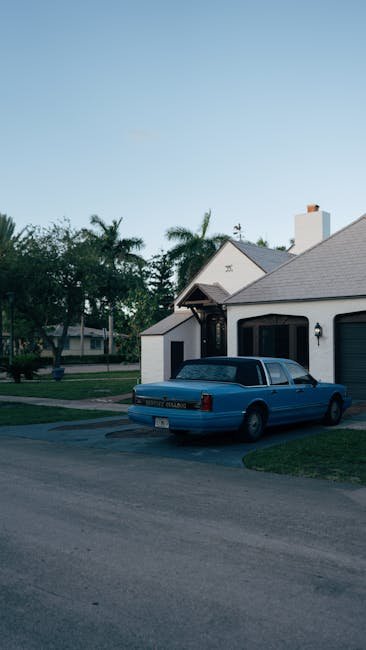
A suburb is a residential area located on the periphery of a city or large town, typically characterized by planned housing developments and community-focused amenities. Suburbs serve as transitional zones between urban centers and rural landscapes.
Urban-Adjoining Location
Suburbs are strategically positioned near urban cores, allowing residents to commute easily for work, education, and leisure. This proximity influences the suburb’s infrastructure, which often includes roads, public transport links, and commercial districts designed to support daily life.
The location of suburbs fosters a blend of urban convenience and quieter living environments, appealing to families and professionals seeking space without complete isolation. This dynamic has shaped suburban growth patterns worldwide, especially since the mid-20th century.
Many suburbs have evolved from former rural land into planned communities with zoning regulations that promote residential, retail, and recreational spaces. These areas often reflect demographic trends such as suburban sprawl or densification depending on regional development policies.
Community and Lifestyle
Suburban neighborhoods typically emphasize family life, with amenities such as parks, schools, and shopping centers integrated into their layout. These features encourage social interaction and community engagement among residents.
Lifestyle in suburbs combines elements of urban access with more open spaces and lower noise levels than city centers. This balance attracts a diverse population, including young families, retirees, and commuters.
Community events, local clubs, and neighborhood associations often play a significant role in suburban social life, fostering a sense of belonging and collective responsibility. These networks contribute to safety, maintenance, and social cohesion.
Housing and Development Patterns
Suburbs are predominantly composed of single-family homes, townhouses, and increasingly, multifamily condominiums. Housing designs often reflect regional architectural styles and are typically arranged in grids or cul-de-sacs to maximize land use and privacy.
Development in suburbs is usually guided by municipal planning departments, which enforce building codes and land-use policies to balance residential needs with environmental considerations. This planning contrasts with the less regulated land use seen in many countryside areas.
Suburban housing often includes private yards, driveways, and garages, catering to automobile ownership and family-oriented living. This stands in contrast to rural homes, which may be more isolated and situated on larger plots of land.
Transportation and Connectivity
Suburbs generally benefit from better transportation infrastructure than the countryside, including highways, commuter rail, and bus services linking them to nearby cities. This connectivity supports daily commuting and access to urban amenities.
Many suburban residents rely on cars, but there is an increasing trend toward public transit use and walkable neighborhoods to reduce traffic congestion and environmental impact. Some suburbs have developed bike lanes and pedestrian-friendly pathways as part of sustainable urban planning.
Transportation options influence the suburb’s economic and social dynamics, enabling residents to balance work in the city with living in less dense environments. This makes suburbs a strategic choice for many seeking quality of life improvements without sacrificing access.
Comparison Table
The following table highlights critical aspects distinguishing countryside and suburb living environments:
| Parameter of Comparison | Countryside | Suburb |
|---|---|---|
| Population Density | Very low, with scattered settlements and small villages. | Moderate to high, featuring organized residential clusters. |
| Land Use | Primarily agricultural, forested, or natural reserves. | Predominantly residential with commercial and recreational zones. |
| Access to Services | Limited healthcare, education, and retail options, often requiring travel. | Wide availability of schools, clinics, shopping centers nearby. |
| Transportation Infrastructure | Minimal public transit; reliance on private vehicles essential. | Developed road networks with public transit connections to urban areas. |
| Housing Types | Farmhouses, cottages, and standalone rural homes on large plots. | Single-family homes, townhouses, and multifamily units on smaller lots. |
| Economic Base | Agriculture, forestry, and resource extraction dominate. | Service-oriented jobs with many residents commuting to cities. |
| Community Interaction | Strong interpersonal ties with emphasis on tradition and |
