Key Takeaways
- Autoclave Sterilizers utilize pressurized steam for rapid and effective sterilization, ideally suited for heat-sensitive and moisture-tolerant materials.
- Dry Heat Sterilizers employ high-temperature air over extended durations, making them preferable for moisture-sensitive instruments and powders.
- The choice between the two sterilizers often depends on the nature of the items being sterilized and the specific sterilization requirements.
- Operational efficiency, material compatibility, and sterilization cycle times vary significantly between autoclave and dry heat methods.
- Both sterilization techniques play crucial roles in maintaining sterility standards across medical, laboratory, and industrial settings.
What is Autoclave Sterilizer?
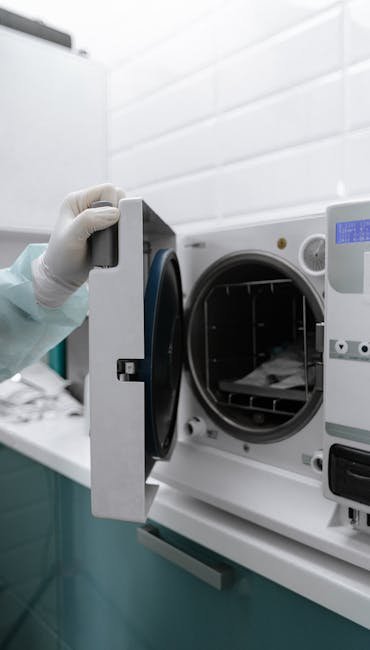
An Autoclave Sterilizer is a device that uses pressurized steam to achieve sterilization by killing bacteria, spores, and viruses. It is widely employed in healthcare and laboratory environments to ensure the sterility of instruments and materials.
Mechanism of Sterilization
The autoclave operates by increasing the pressure within a sealed chamber, typically to about 15 psi, which raises the boiling point of water and allows steam to reach temperatures around 121°C or higher. This steam penetrates materials, denaturing proteins and effectively destroying microorganisms within minutes.
This moist heat method is especially effective because steam transfers heat more efficiently than dry air, allowing for shorter sterilization cycles and deeper penetration into porous materials. For example, surgical instruments wrapped in sterilization paper can be reliably sterilized without damage.
Steam sterilization also requires precise control of temperature, pressure, and time to ensure efficacy. Modern autoclaves are equipped with sensors and automated cycles to maintain these critical parameters consistently.
Applications and Usage
Autoclave sterilizers are commonly used in hospitals, dental clinics, research laboratories, and pharmaceutical manufacturing. They are ideal for sterilizing surgical tools, culture media, and certain types of glassware that can withstand moisture and heat.
Many microbiology labs rely on autoclaves for decontaminating biohazardous waste, as the method ensures complete neutralization of infectious agents. For instance, autoclaving petri dishes after bacterial growth prevents environmental contamination.
Despite their versatility, autoclaves are not suitable for all items; materials sensitive to moisture or heat degradation require alternative sterilization methods. This operational limitation often informs sterilization protocol decisions.
Operational Considerations
Autoclave sterilizers require water supply and drainage systems to generate and expel steam efficiently. Regular maintenance, including gasket replacement and chamber cleaning, is necessary to avoid malfunction and maintain sterilization integrity.
Cycle duration can vary, but typical sterilization cycles last between 15 to 30 minutes, plus additional time for heating and drying phases. This timing allows for relatively quick turnaround in clinical contexts where instrument availability is critical.
Energy consumption and water use are also factors to consider, especially in high-volume settings where sustainability and cost control are priorities. Newer autoclaves incorporate energy-saving modes to mitigate operational costs.
What is Dry Heat Sterilizer?

A Dry Heat Sterilizer uses hot air that is either static or forced to sterilize equipment by oxidizing microbial components at high temperatures. This method is particularly suited for items that cannot tolerate moisture or steam.
Principles of Dry Heat Sterilization
Dry heat sterilization works by exposing instruments to temperatures typically between 160°C and 180°C for extended periods, often ranging from one to two hours. The high temperature causes oxidative damage to cellular components, effectively destroying microorganisms.
Unlike moist heat, dry heat requires longer exposure because air is less efficient at heat transfer, necessitating prolonged cycles to achieve sterility. This method is beneficial for sterilizing powders, oils, and metal instruments prone to corrosion.
Heat distribution is crucial, so dry heat sterilizers often use forced air circulation to ensure even temperature throughout the chamber. This prevents cold spots that could compromise sterilization effectiveness.
Typical Applications
Dry heat sterilizers are commonly utilized in pharmaceutical manufacturing, laboratories, and industries where moisture-sensitive materials are processed. Items like glass syringes, powders, and sharp instruments that may rust with steam sterilization are ideal candidates.
In addition, dry heat is preferred for sterilizing oils and powders that would be damaged or altered by moisture. For example, certain cosmetic powders undergo dry heat sterilization to maintain product integrity.
This sterilization method is also used for medical instruments that have hollow components which could trap steam and remain unsterilized in autoclaves. Dry heat ensures that such items are safely sterilized without moisture exposure.
Operational Factors and Maintenance
Dry heat sterilizers require insulation and heating elements capable of maintaining consistent high temperatures over lengthy periods. They typically have simpler mechanical components compared to autoclaves but demand careful temperature monitoring.
Cycle times are notably longer, which can be a disadvantage in fast-paced clinical environments but acceptable in industrial or research settings prioritizing material compatibility. Operators must ensure proper loading to avoid overcrowding, which could impede heat circulation.
Maintenance involves cleaning heating elements and verifying temperature sensors regularly to prevent malfunctions. Calibration is essential to guarantee that the sterilizer maintains the correct sterilization parameters for effectiveness.
Comparison Table
The following table highlights key operational and functional distinctions between Autoclave Sterilizers and Dry Heat Sterilizers.
| Parameter of Comparison | Autoclave Sterilizer | Dry Heat Sterilizer |
|---|---|---|
| Sterilization Agent | Pressurized steam | Hot, circulating air |
| Typical Temperature Range | 121°C to 134°C | 160°C to 180°C |
| Cycle Duration | 15 to 30 minutes | 1 to 2 hours |
| Material Compatibility | Suitable for heat- and moisture-resistant items | Ideal for moisture-sensitive and heat-stable items |
| Energy Consumption | Moderate to high, includes water heating | High, prolonged heating period |
| Penetration Ability | Steam penetrates porous materials effectively | Limited penetration; relies on surface exposure |
| Maintenance Complexity | Requires water system upkeep and gasket care | Simpler mechanics but requires heating element checks |
| Risk of Corrosion | Potential for metal corrosion due to moisture | Minimal moisture, reducing corrosion risk |
| Typical Use Cases | Surgical instruments, culture media, biohazard waste | Glassware, powders, oils, sharp metal tools |
| Speed of Sterilization | Fast turnaround | Longer sterilization cycles |
Key Differences
- Moisture Exposure — Autoclaves use steam, introducing moisture that can damage certain materials, whereas dry heat sterilizers avoid moisture completely.
- Heat Transfer Efficiency — Steam in autoclaves transfers heat more rapidly than dry air, resulting in shorter sterilization times.
- Material Suitability — Dry heat sterilizers are preferred for powders and oils that cannot tolerate steam, while autoclaves are better for porous surgical textiles.
- Maintenance Demands — Autoclaves require more frequent maintenance due to water system components, while dry heat sterilizers have simpler mechanical maintenance.
